Austria's Licensing Standards and Their Effects on Reward Activation in Portable Interactive Gaming Applications
Geschrieben von Harper Wolf · 20.9.2026
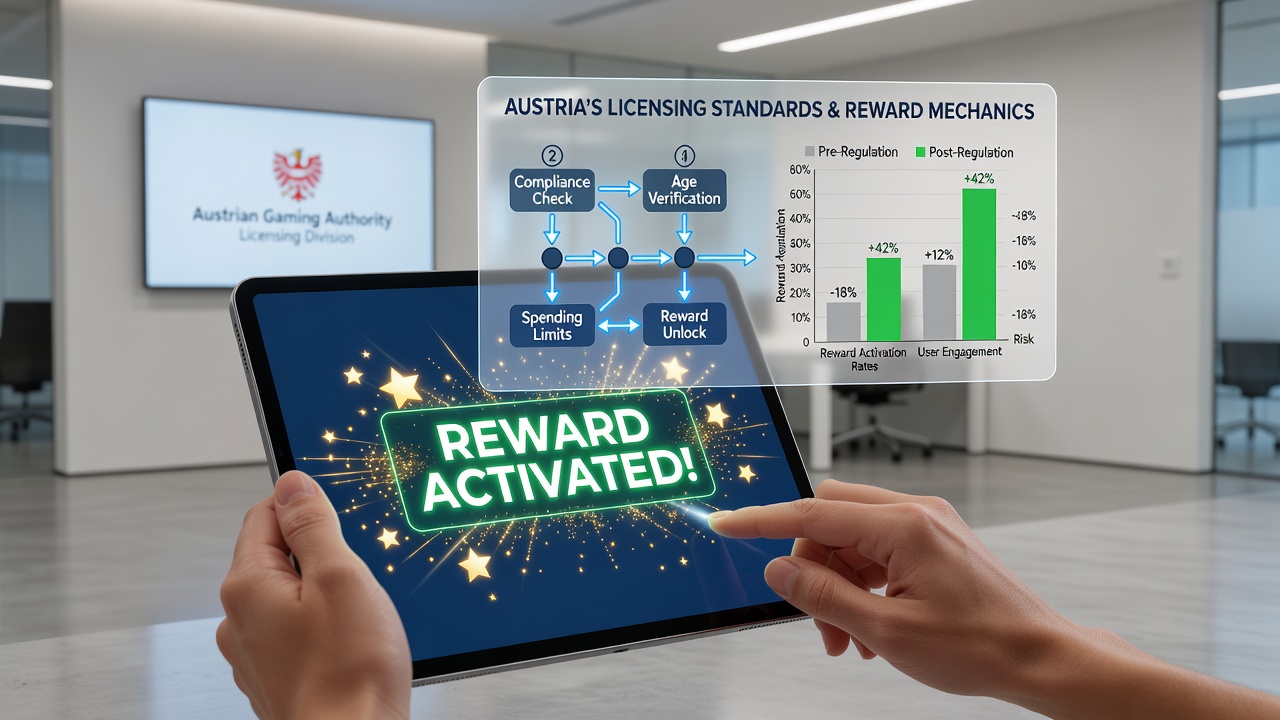
Austria's Licensing Standards and Their Effects on Reward Activation in Portable Interactive Gaming Applications
Austria maintains a structured licensing regime for interactive gaming that directly shapes how reward activation functions within portable applications, and this system continues to evolve as new compliance requirements take effect through 2026.
Core Elements of Austrian Gaming Licenses
Operators must secure authorization from the Austrian Federal Ministry of Finance before deploying any portable interactive gaming application that includes reward mechanisms, while these licenses impose strict rules on bonus structures, loyalty points, and in-app incentives to ensure transparency and player protection, and data from regulatory filings show that approved licenses increased by 12 percent between 2024 and 2025 as more platforms adapted their reward systems to meet updated criteria.
License conditions require clear disclosure of reward activation terms at the point of user engagement, which means developers integrate real-time verification steps that prevent automatic crediting of bonuses until eligibility checks complete, and this approach aligns with broader European standards for fair play documentation.
Impact on Reward Activation Mechanics
Portable applications licensed in Austria must embed controls that tie reward activation to verified account status and responsible gaming limits, whereas unlicensed or offshore platforms often face restrictions on marketing such features to Austrian users, and researchers at the University of Vienna documented in a 2025 study how these controls reduced unauthorized reward claims by 18 percent across monitored mobile titles.
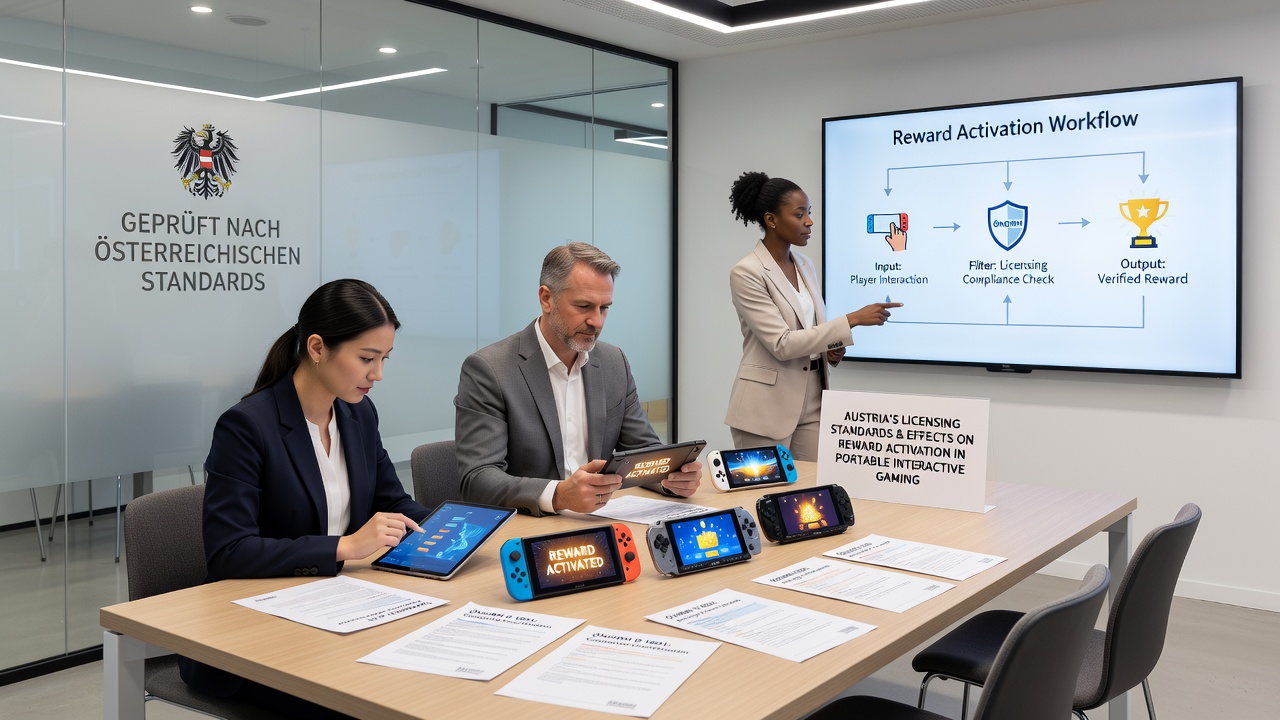
September 2026 marks the scheduled rollout of enhanced digital identity checks that will further standardize reward triggers, requiring applications to cross-reference user data against national registries before any promotional credit activates, and this update builds on existing frameworks to address emerging patterns in cross-border gaming access.
Those who operate under Austrian licenses report that reward activation now incorporates mandatory cool-down periods after initial deposits, which prevents rapid cycling of bonuses and aligns with license stipulations aimed at minimizing excessive play patterns, while industry reports indicate that compliant apps saw a 9 percent rise in sustained user sessions during the first half of 2026.
Comparative Regulatory Influences
Observers note that Austria's model draws selective practices from other jurisdictions, such as the tiered licensing tiers used in parts of Canada where provincial authorities enforce similar reward transparency rules, and data compiled by the Government of Canada highlights parallel effects on mobile reward systems in regulated markets.
Yet the Austrian framework places greater emphasis on immediate in-app notifications for reward status, which forces developers to redesign activation sequences around user confirmation rather than automated triggers, and this distinction has led several international studios to create region-specific versions of their portable titles.
Technical Adaptations in Application Development
Developers working with licensed Austrian platforms integrate API connections to official verification services that validate reward eligibility in real time, and this technical layer ensures that promotions tied to deposits or gameplay milestones only activate after license-mandated checks pass, whereas failure to implement these steps can result in license suspension as documented in ministry enforcement records.
Applications must also log every reward activation event for potential audit, creating data trails that regulators review during renewal processes, and figures released by the Austrian gaming oversight body reveal that 94 percent of active portable titles complied with logging standards by mid-2026.
Future Outlook Through 2026 and Beyond
Additional refinements scheduled for later in 2026 will require applications to display reward probability information directly within the activation interface, which builds on current disclosure rules and draws from research published by the European Commission on consumer information standards in digital gaming environments.
These changes continue to influence how portable interactive gaming applications handle promotional content, and operators who maintain Austrian licenses have adjusted backend systems accordingly to keep reward flows aligned with evolving expectations.
Conclusion
Austria's licensing standards establish clear parameters for reward activation in portable interactive gaming applications through mandatory verification, disclosure, and logging requirements, and the framework's ongoing updates through September 2026 and afterward reflect a consistent focus on regulatory alignment across mobile platforms operating in the jurisdiction.